


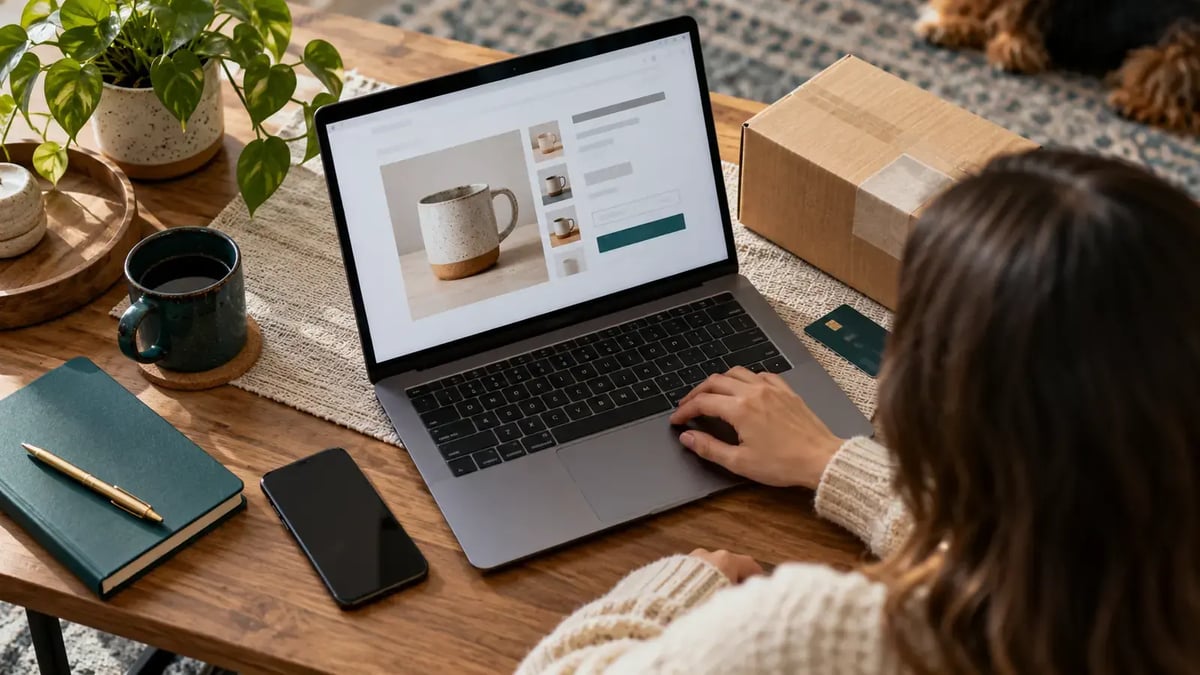
Quick answer: Before buying from an unfamiliar online store, check the seller’s reputation, inspect the website address, review delivery and return terms, and choose a payment method with dispute protections.
Think Before You Buy!
Chances are that if you see an item online and the sale price is too good to be true then it is too good to be true. Many people have turned toward online purchasing over the past few years and scammers know it. Fraudulent websites selling bogus products at low prices have popped up across the internet.
How can you tell if you're purchasing a real item from a reputable website? Matt Barnett sits down with NBC10 to discuss the steps you should take before buying an item online.
Watch Matt Barnett on NBC10
Pause before checkout
A polished design, familiar logo, or encrypted connection is not proof that a seller is legitimate. Search for independent feedback and check whether contact and return information are credible. Be wary of pressure to pay immediately or move outside a marketplace’s payment system.
Frequently asked questions
Does HTTPS prove that an online store is legitimate?
No. HTTPS encrypts the connection; a fraudulent store can also use HTTPS. Check the seller, policies, contact details, and independent reviews.
What should I keep if an order goes wrong?
Keep the listing, receipt, order confirmation, promised shipping dates, and your correspondence. Contact the seller and your payment provider about available dispute options.