

Quick answer: Multifactor authentication combines different factor types to make account access harder to steal. Prefer phishing-resistant methods where supported, and protect enrollment, recovery, and administrator accounts too.
Watch the original video
Practical next steps
- Prioritize email, remote access, administrators, and sensitive business applications.
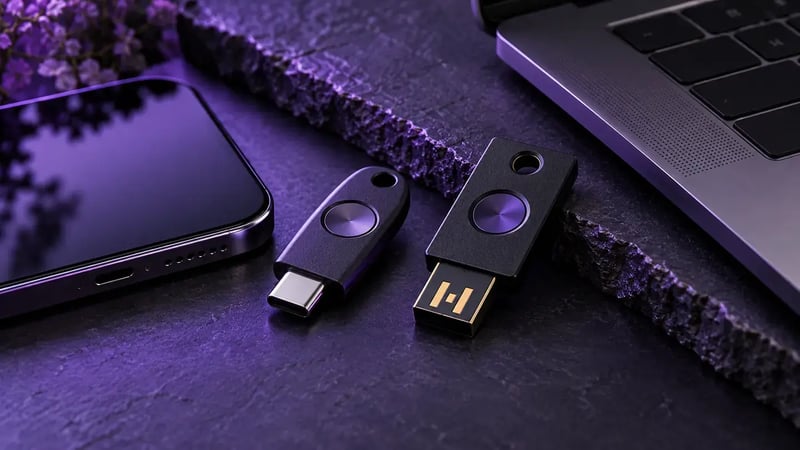
- Choose phishing-resistant options such as security keys or suitable passkeys where available.
- Document recovery procedures and train users to reject unexpected approval requests.
Frequently asked questions
Are a password and a PIN two different factors?
Not by themselves. Both are knowledge factors. MFA requires different factor types, such as something you know and something you possess.
Does MFA prevent every account compromise?
No. Method strength, session security, recovery, and configuration still matter. Phishing-resistant methods reduce important attack paths.
Further reading: Official guidance and reference